Reviews
EV vs EREV vs PHEV: which suits Armenia best
Three powertrains, three ways of life. We explain the differences and help you choose with mountains, winter and charging in mind.
X AUTO · Published · Updated
When choosing a Chinese car, one of the first questions buyers face is the type of powertrain. The same brand often offers pure electric models, extended-range versions and plug-in hybrids. The abbreviations look alike, but the cars work differently and each suits a different way of life. Let us look at which makes more sense in Armenia.
EV: fully electric
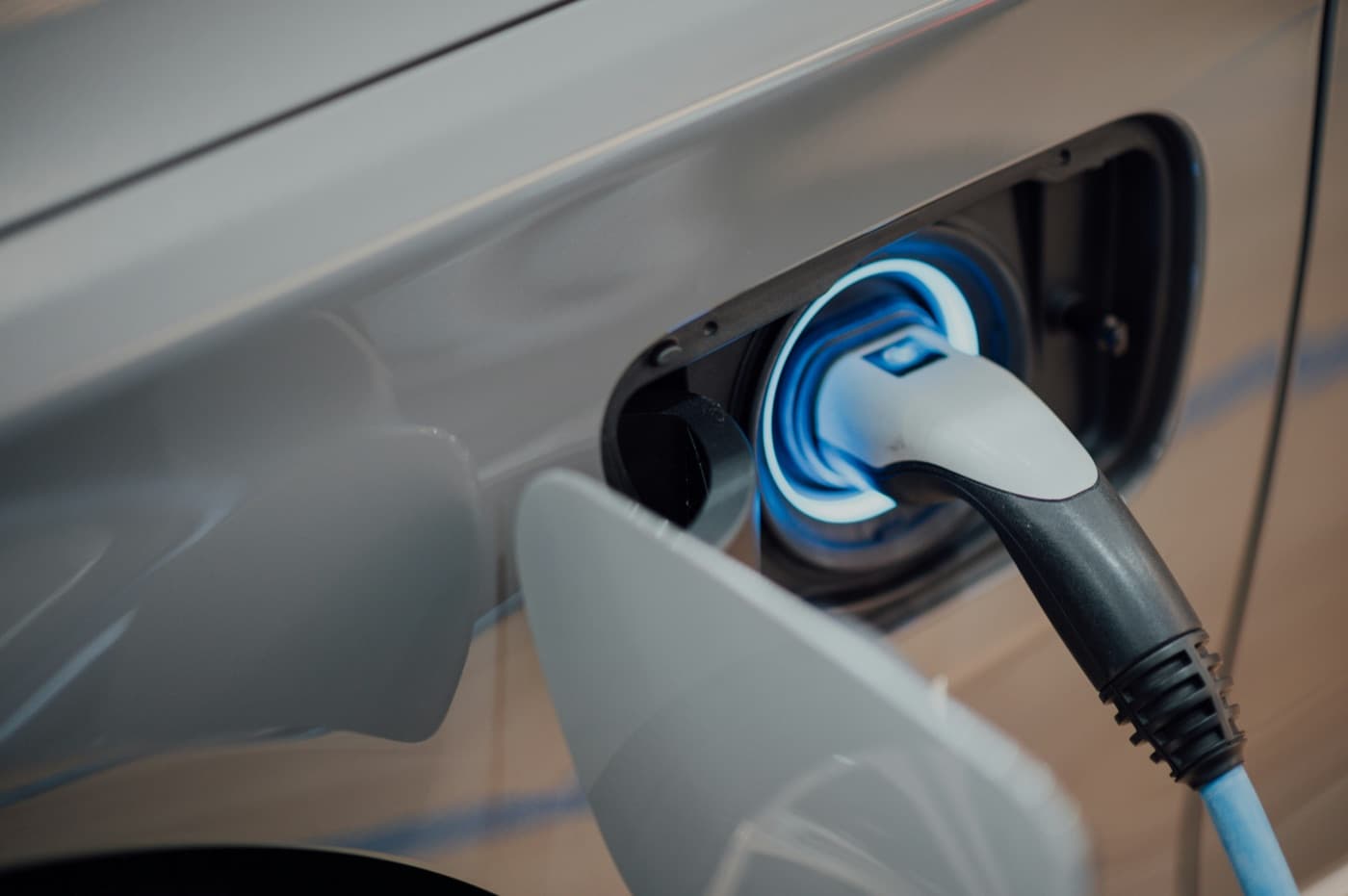
An EV (sometimes BEV) has only a battery and an electric motor: no fuel tank and no combustion engine.
- Pros: a relatively simple design with less routine maintenance, a quiet and smooth drive, quick acceleration. If you charge at home, the cost per kilometre is usually noticeably lower than with petrol.
- Keep in mind: you depend on being able to charge, especially on long trips. In cold weather range drops, because part of the energy goes to heating the cabin and the battery.
EREV: extended-range electric vehicle
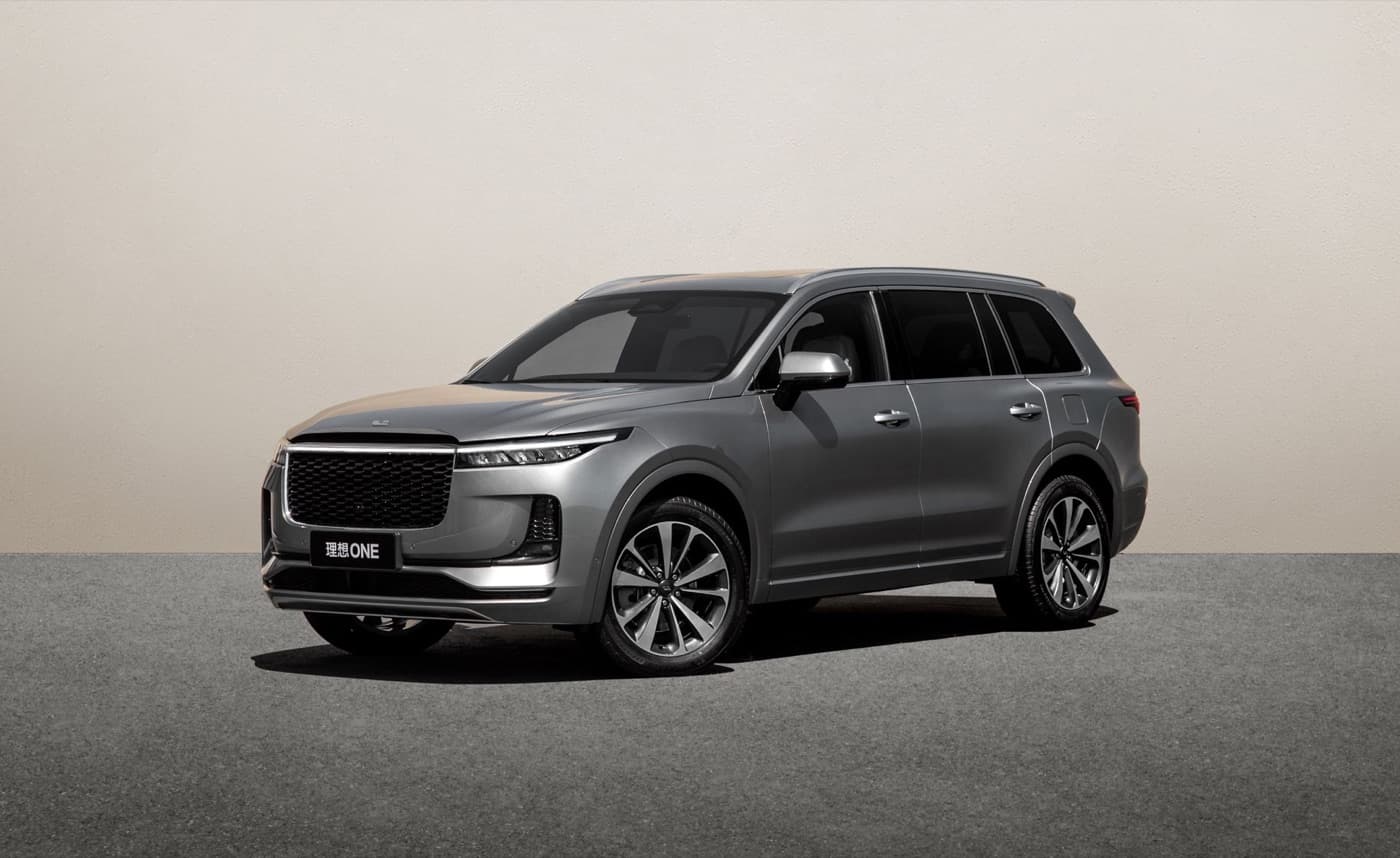
In an EREV the wheels are always driven by an electric motor. There is a petrol engine too, but it is not connected to the wheels: it works as a generator and recharges the battery when the charge runs low. The battery is usually larger than in ordinary hybrids, so daily trips can be done on electricity alone.
- Pros: the feel of an electric car without worrying about chargers, and a very long combined range.
- Keep in mind: the design is more complex than an EV, and the generator engine also needs servicing. If you almost never plug the car in, fuel consumption will be higher than it could be.
PHEV: plug-in hybrid
In a PHEV the petrol engine can drive the wheels directly, together with the electric motor or on its own. The battery is usually smaller and the electric-only range more modest.
- Pros: often more affordable than an EV or EREV of the same class; on long trips it behaves like an ordinary efficient car.
- Keep in mind: to benefit from electric mode, you need to charge the car regularly.
What is specific to Armenia
- Mountain terrain. Energy use rises on climbs, and regeneration returns part of it on descents. Take the elevation change of your route into account when planning range.
- Winter. In colder regions real-world range is noticeably lower than the official figure. A heat pump helps reduce the loss.
- Charging network. Yerevan has more public chargers; the regions have fewer, although the network is growing.
- Home charging. This is the key factor: with your own parking space and a socket, an EV becomes very convenient.
Which one suits whom
- EV if you can charge at home or at work and mostly drive in and around the city.
- EREV if you have a large family, often travel far and want one car for everything.
- PHEV if your charging options are limited and your budget is tighter.
About costs
Customs and tax conditions for importing different powertrain types may differ and depend on current legislation. X AUTO prepares an exact calculation for each model, so that you compare real figures rather than assumptions.
Frequently asked questions
How does an EREV differ from a PHEV?
In an EREV the wheels are always driven by an electric motor and the petrol engine only generates electricity. In a PHEV the petrol engine can drive the wheels directly.
Does an electric car lose much range in winter?
Range drops noticeably in the cold because energy goes into heating the cabin and the battery. How much depends on the model, the temperature and your driving style; a heat pump helps reduce the loss.
What should I choose if I cannot charge at home?
Consider an EREV or PHEV, which can also run on petrol. An EV is still possible if there are convenient public chargers near your daily route.
Order your car
Tell us which model you want and we will send a price and delivery estimate.